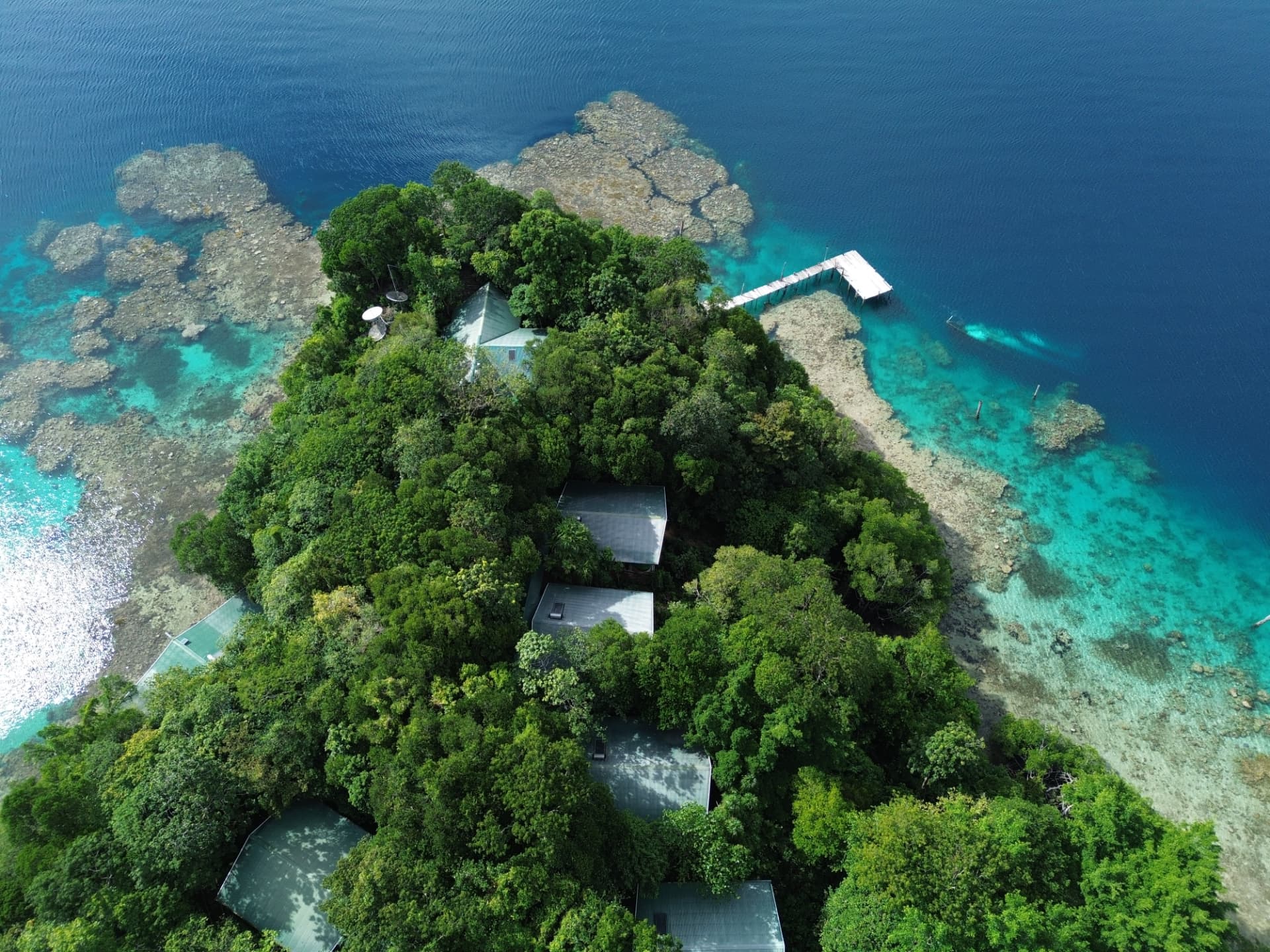
Tawali Leisure & Dive Resort
Rainforest above. Coral gardens below. A coastal base for exploring Milne Bay underwater.
Alotau & mainlandRead profile
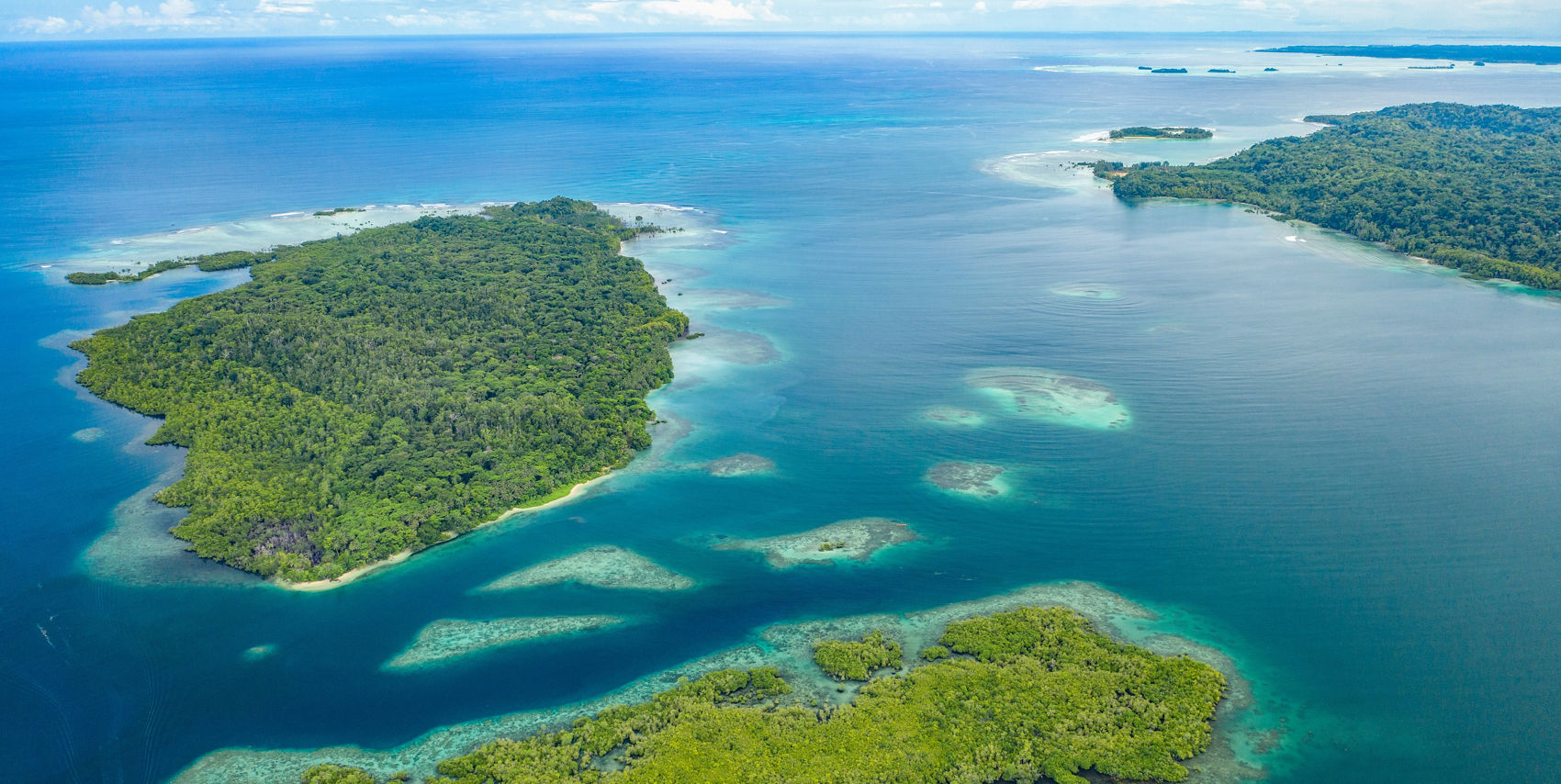
Extraordinary islands. Living traditions.
A welcome that stays with you.
Follow the sea.
Find the connections.
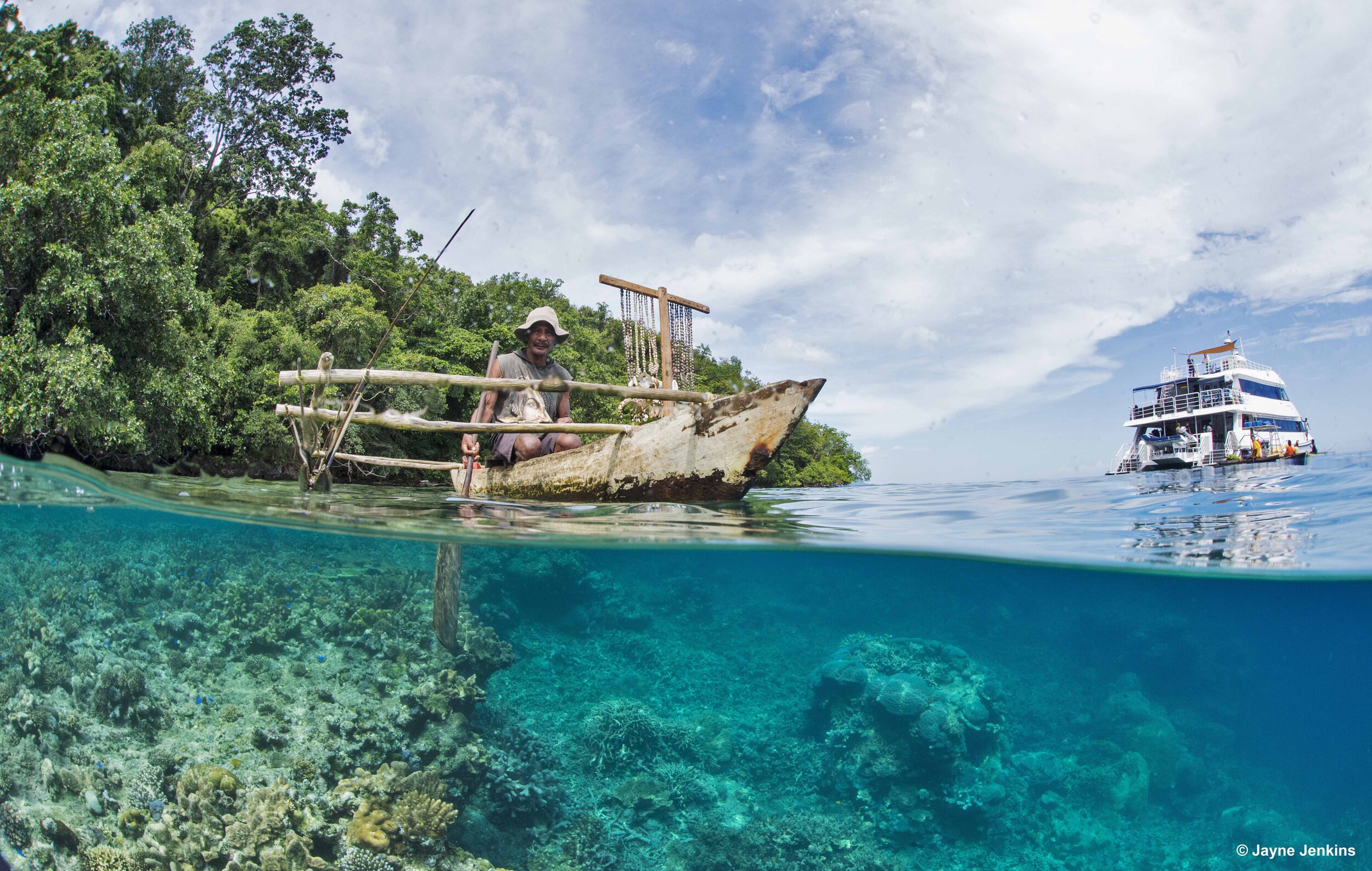
There is more here than a view. Meet the guides, hosts, makers and local businesses who turn a place on a map into a journey you remember.
Meet the people behind the placesMilne Bay photograph: Jayne Jenkins / MV OceaniaFind an island on the map.
Click through to its own guide.
Coastlines: Natural Earth 1:10 million land data (public domain). Locations: GeoNames (CC BY 4.0), Papua New Guinea gazetteer, checked 23 October 2026. Selected marker record.
North is up. All views use the same geographic projection, with a standard parallel of 10° S. Markers are representative island locations, not landing points. Tiny islands may be absent from the generalised coastline. Group overviews are available in the guide dropdown rather than drawn as individual islands. This visitor map is not a nautical chart.
Find your stay, your next adventure,
or a business to connect with.
Rainforest above. Coral gardens below. A coastal base for exploring Milne Bay underwater.
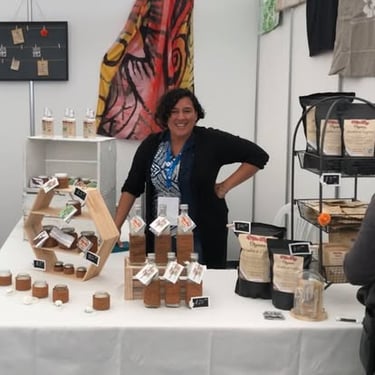
Rhona Conn’s work connects rural producers, local processing and market opportunities.
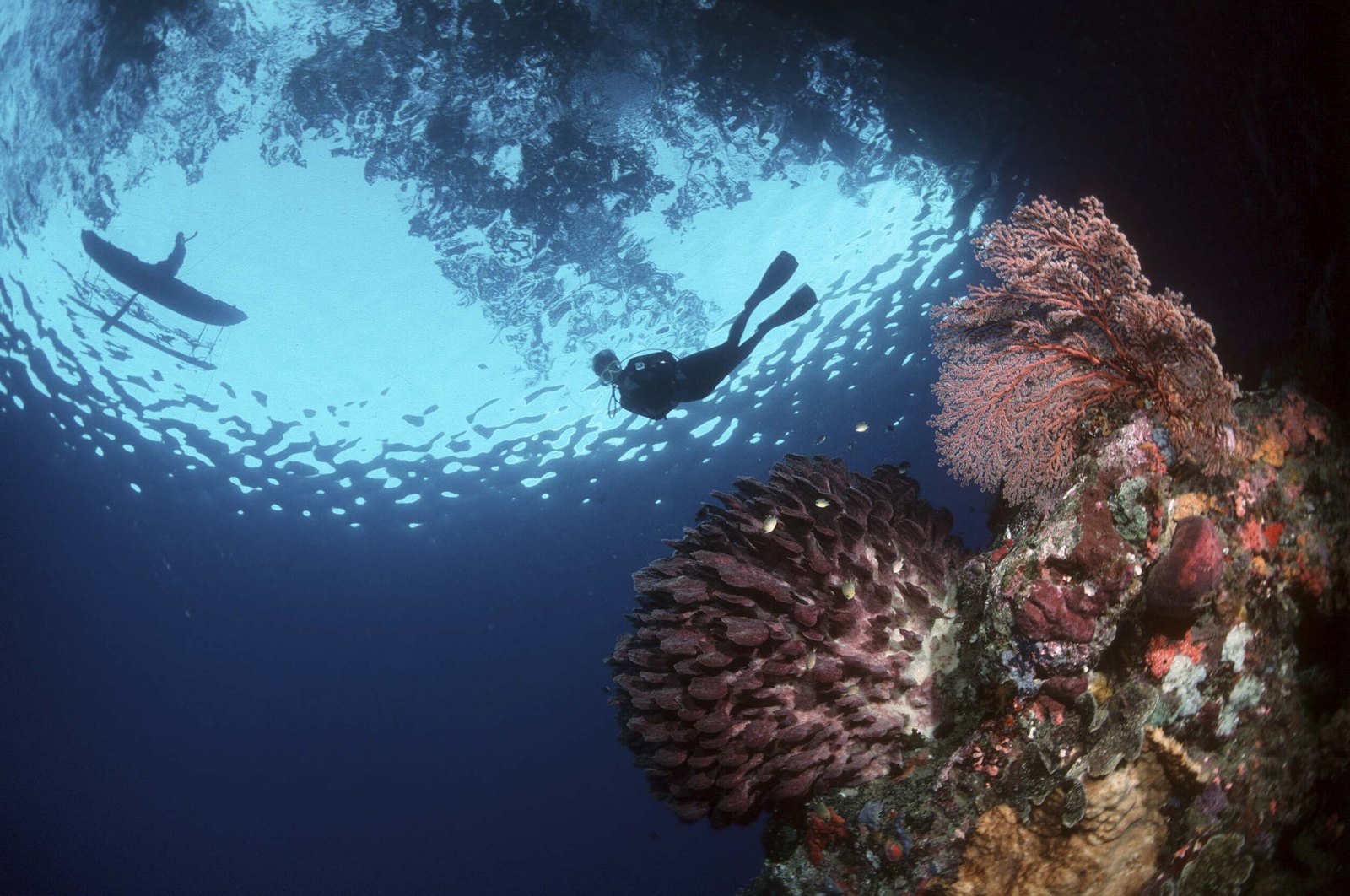
Multi-day reef journeys, including Milne Bay itineraries aboard MV Oceania.
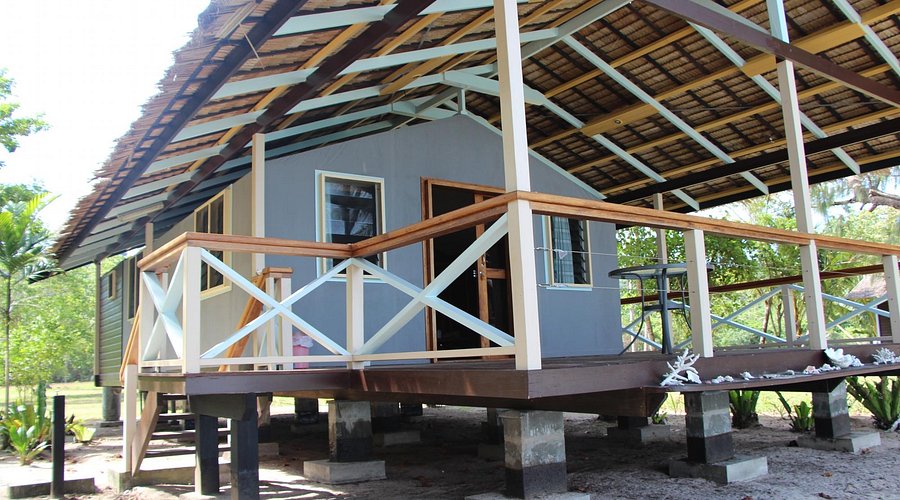
Beachfront bungalows and island experiences in the waters near China Strait.
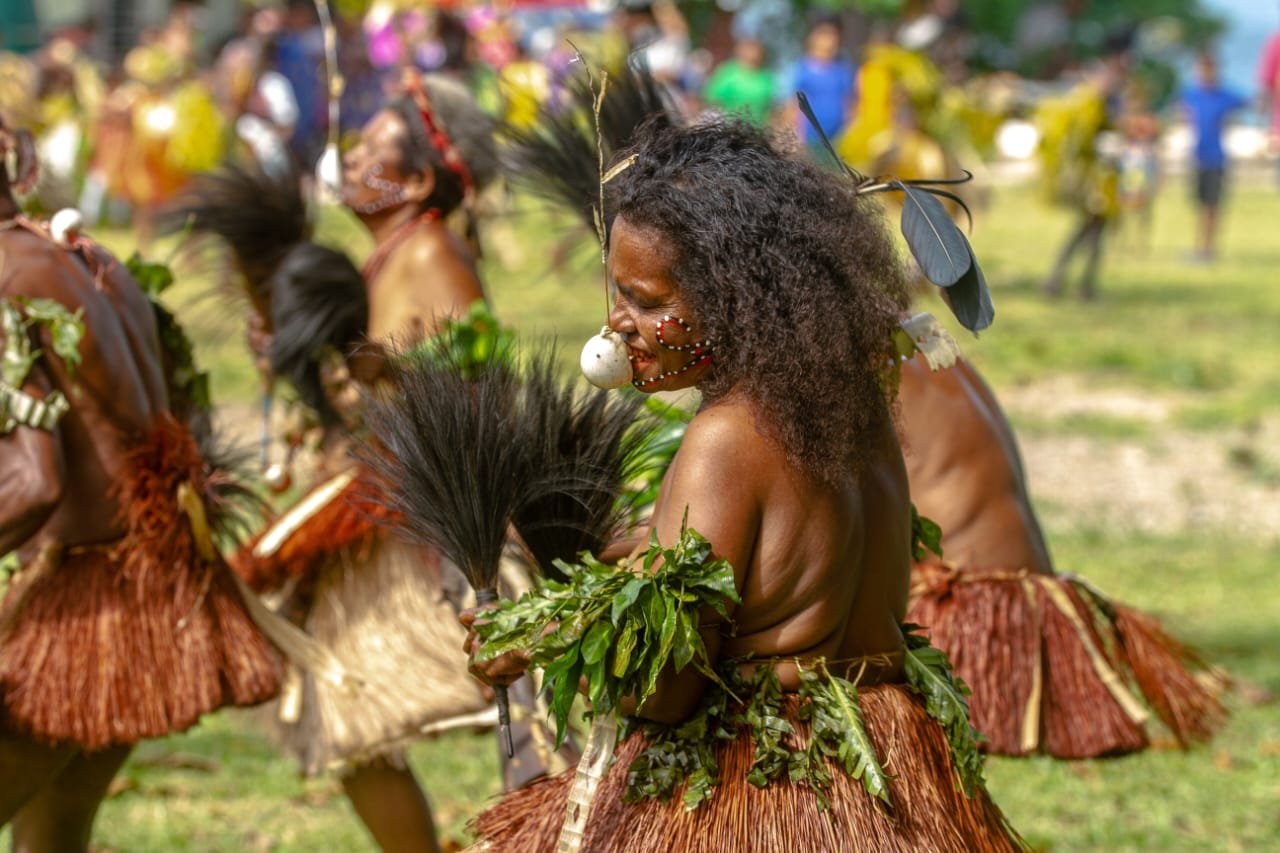
Locally based tours connecting visitors with Alotau, culture and coastal experiences.
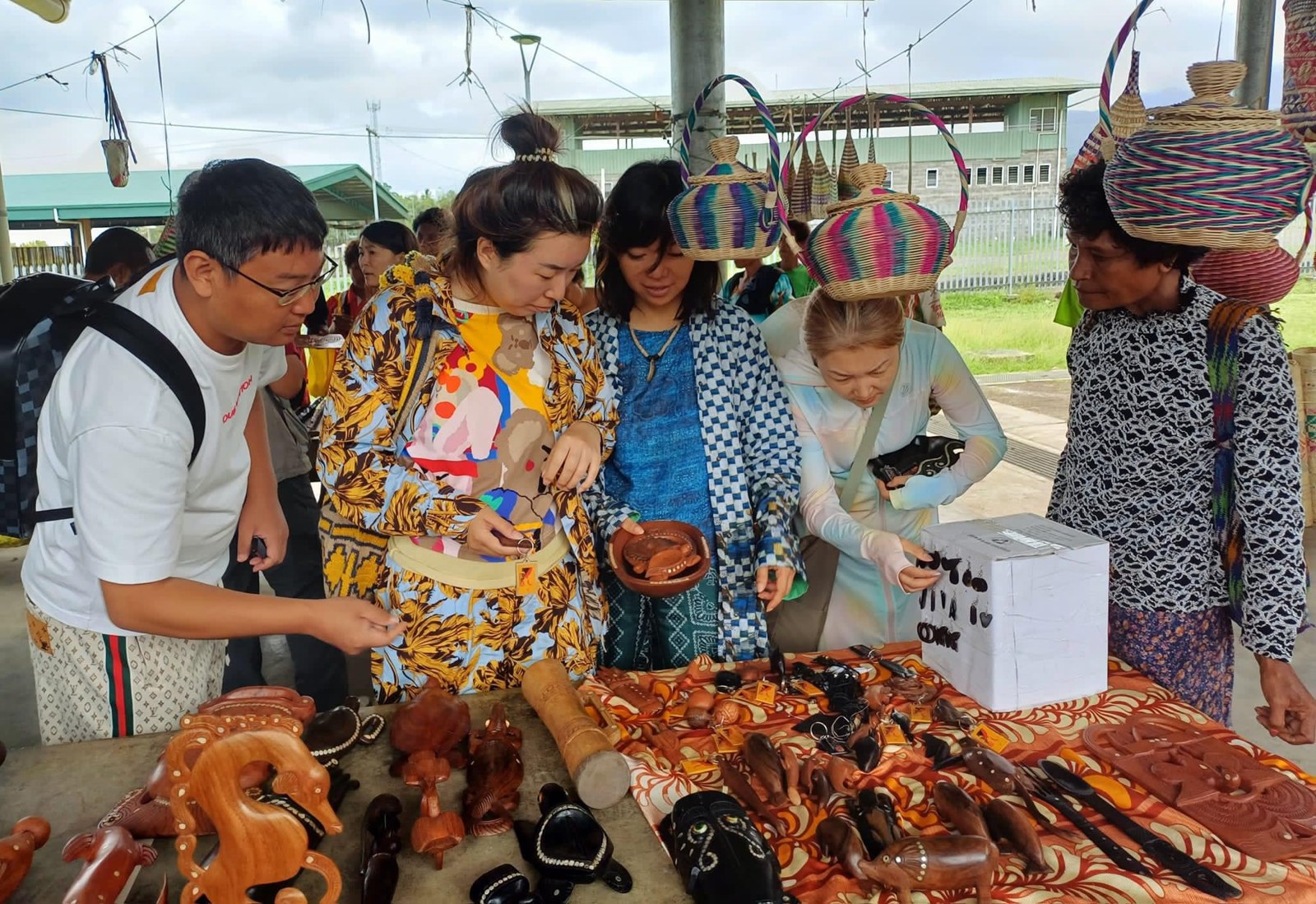
An Alotau-based operator profiled by PNG tourism sources.
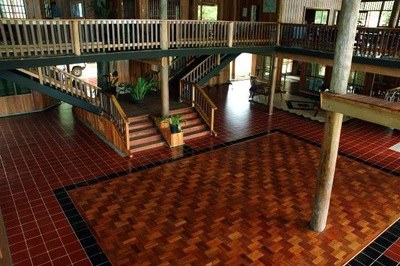
Accommodation, a bistro and spaces for meetings and events in Alotau.
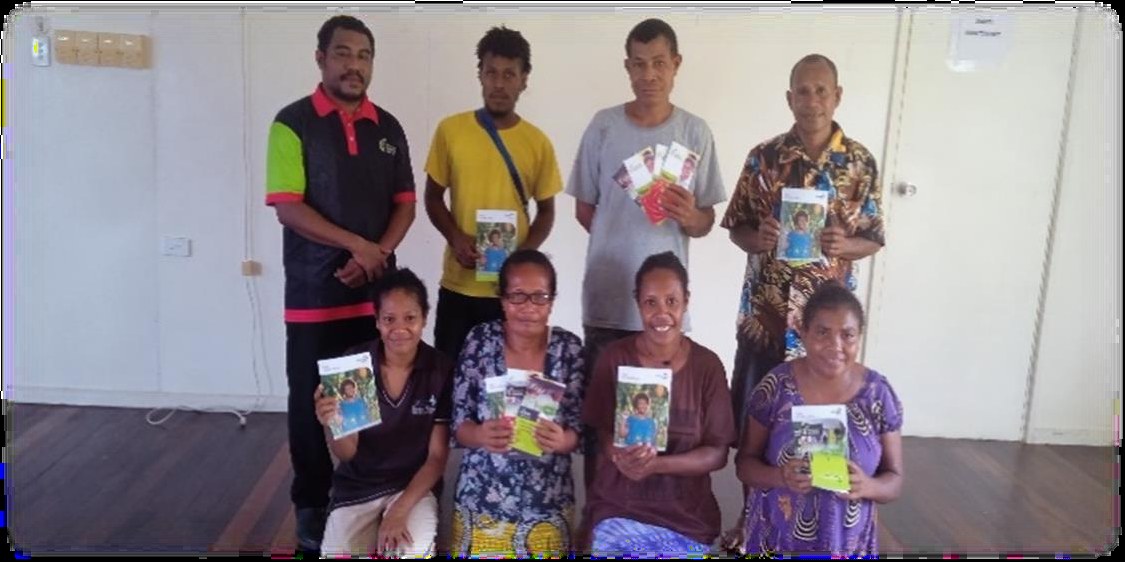
Lilly Namunu’s Alotau enterprise supports financial literacy and rural business skills.
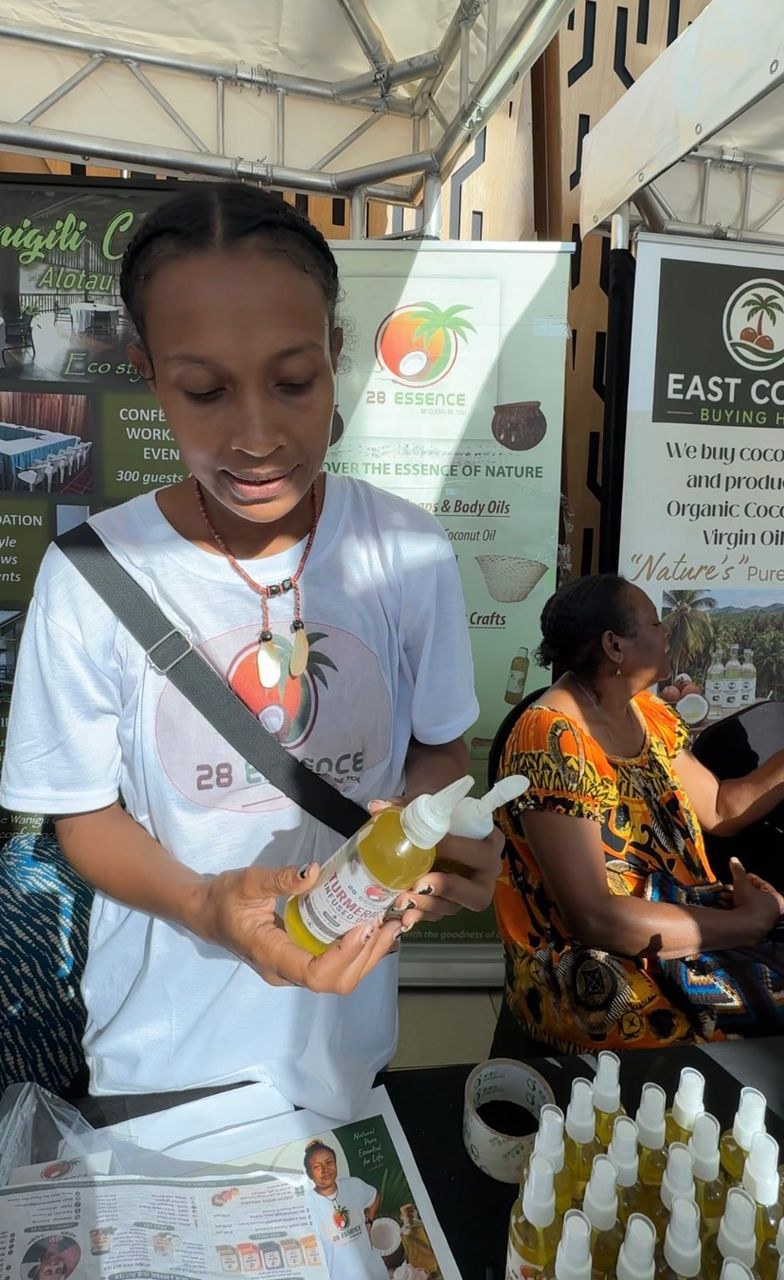
Regina Varaosi’s Alotau skincare enterprise draws on locally available plant ingredients.
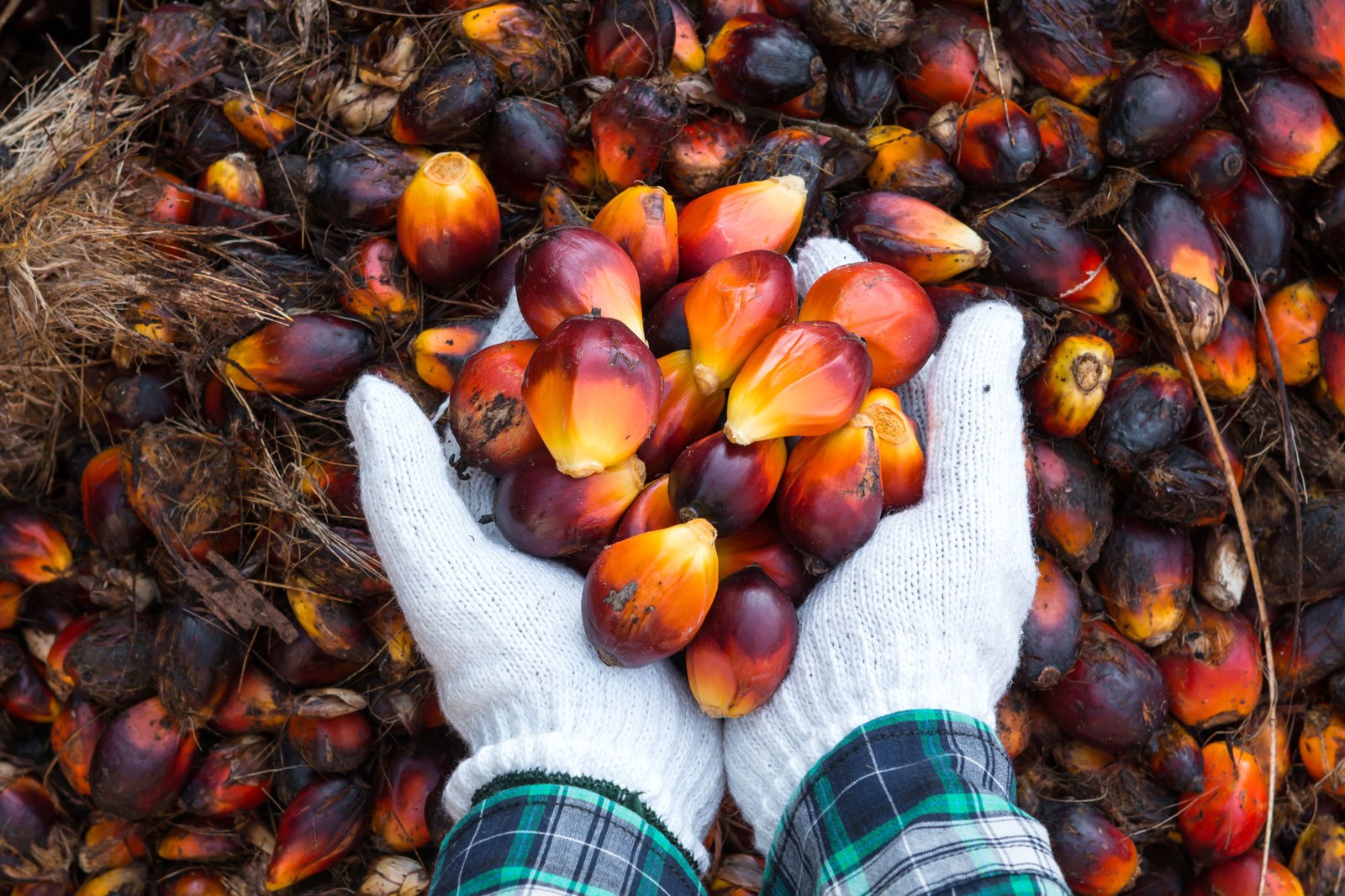
A regional plantation operation within New Britain Palm Oil’s published operations.
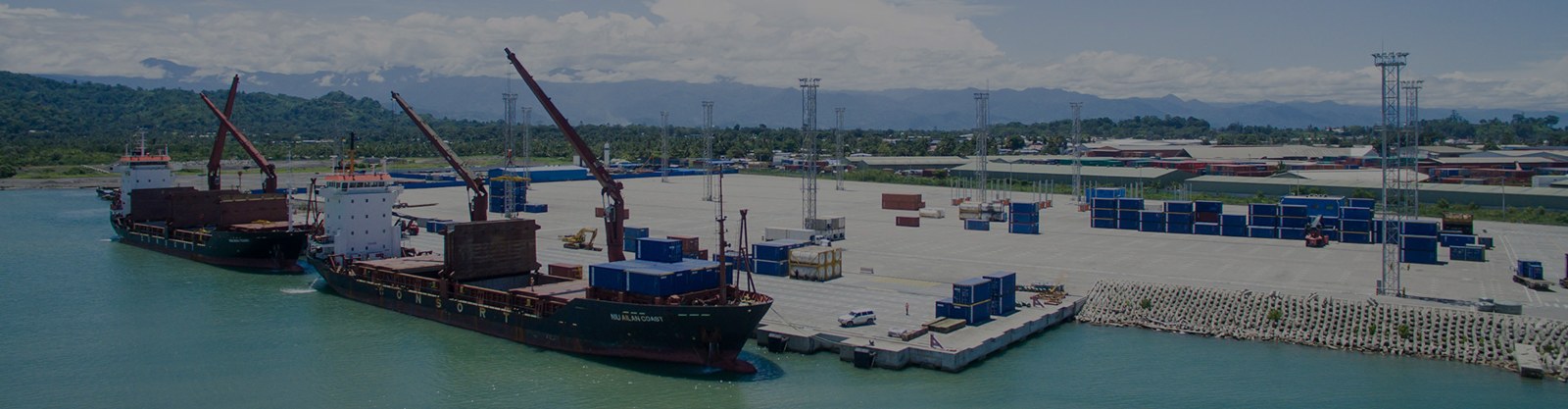
A regional agency connection for coastal shipping and freight enquiries.
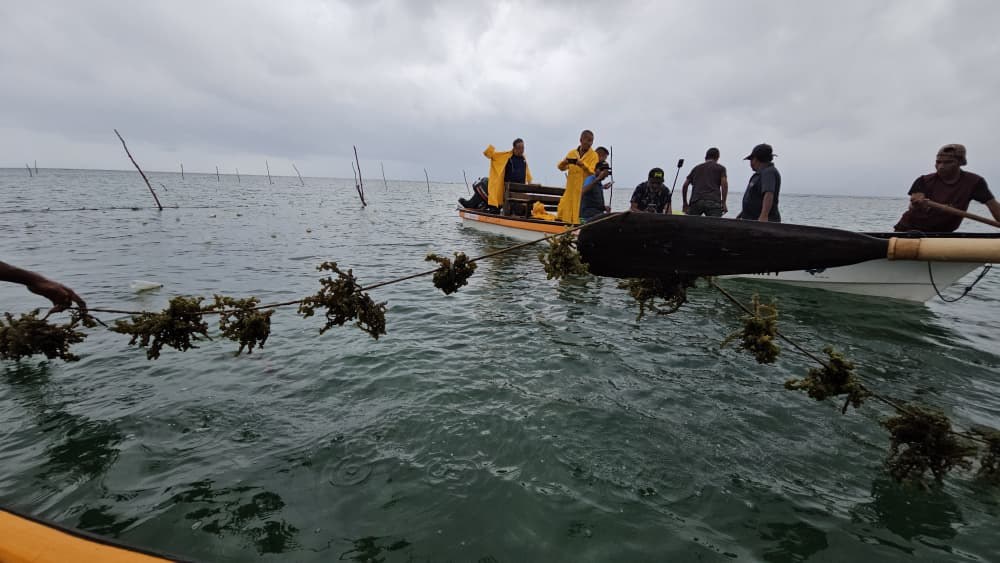
A Milne Bay seaweed export story reported by NBC.
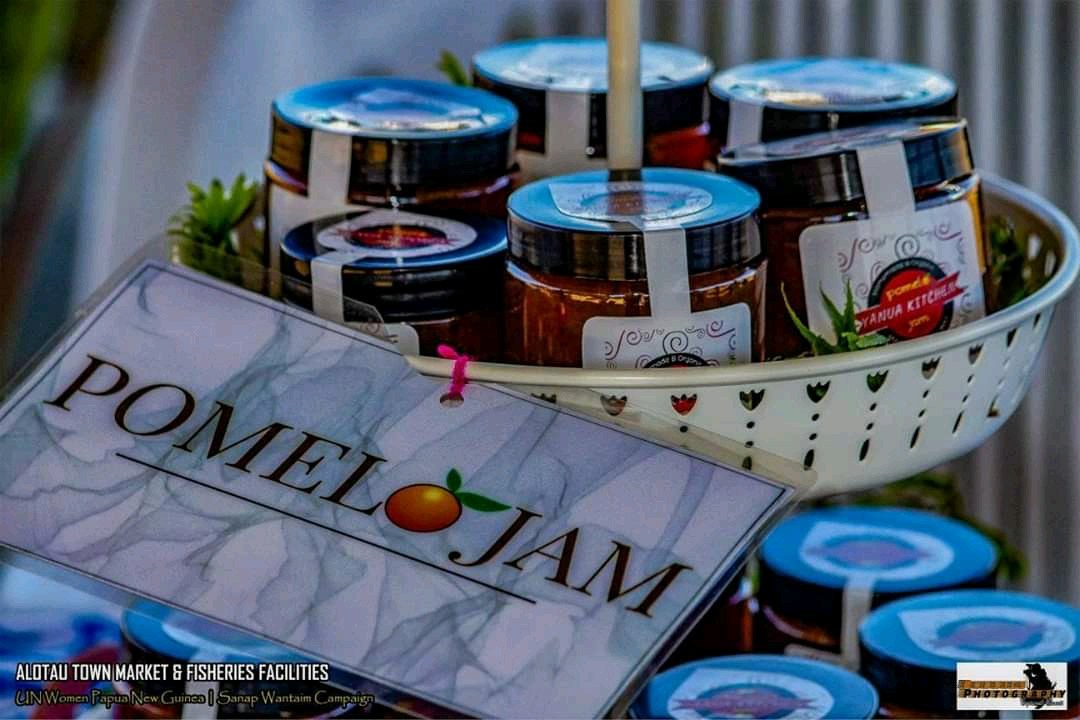
A locally made preserves story documented in Milne Bay’s enterprise community.
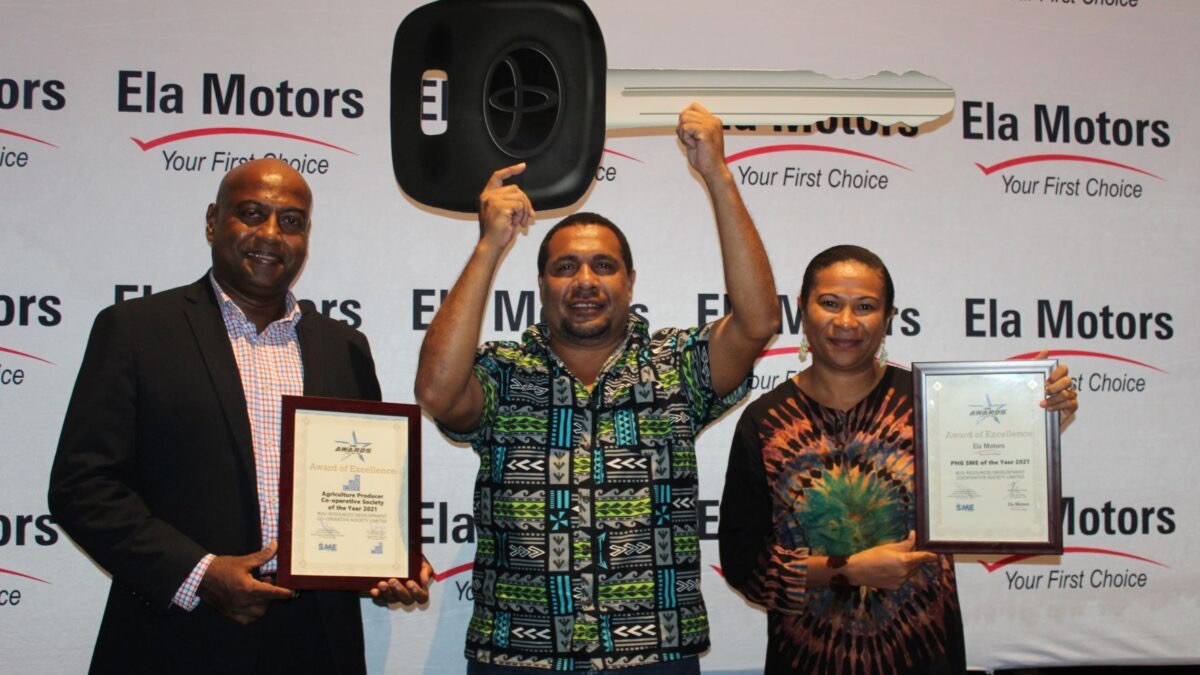
A co-operative enterprise recorded in Milne Bay’s local production story.
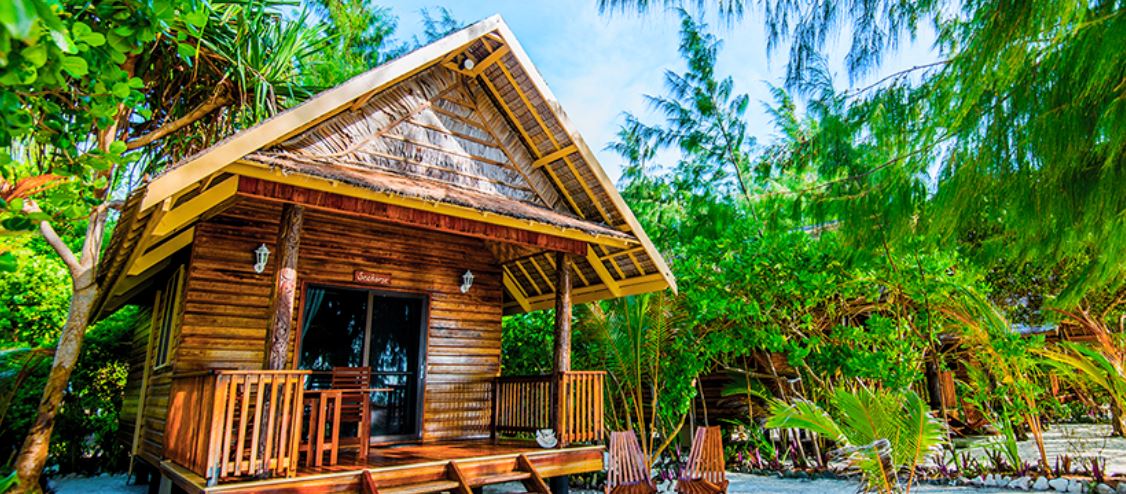
A small island resort on Panasesa, with lagoon access and a PADI-listed dive operation.
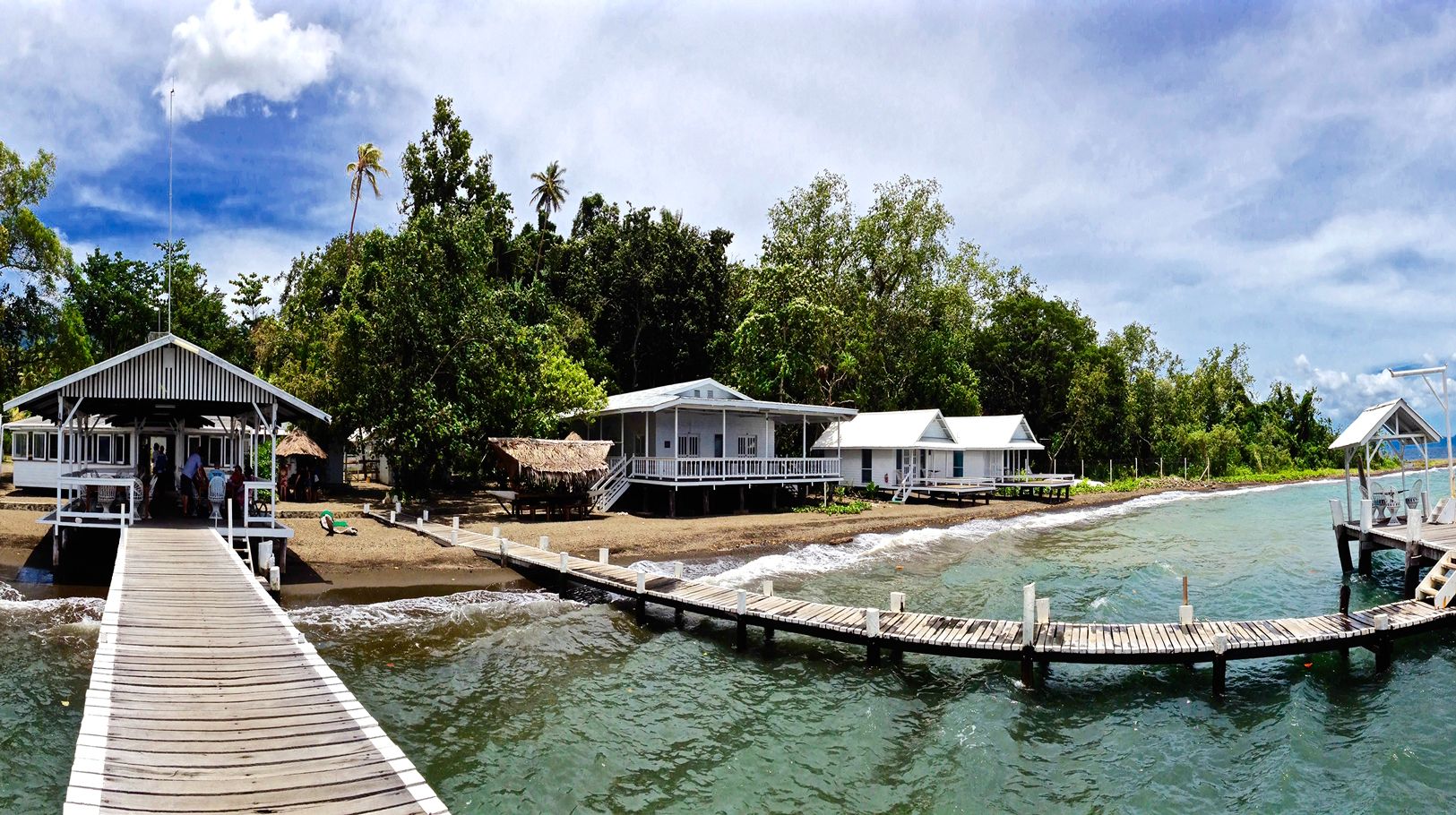
Waterfront bungalows, tropical gardens and dining just outside Alotau.
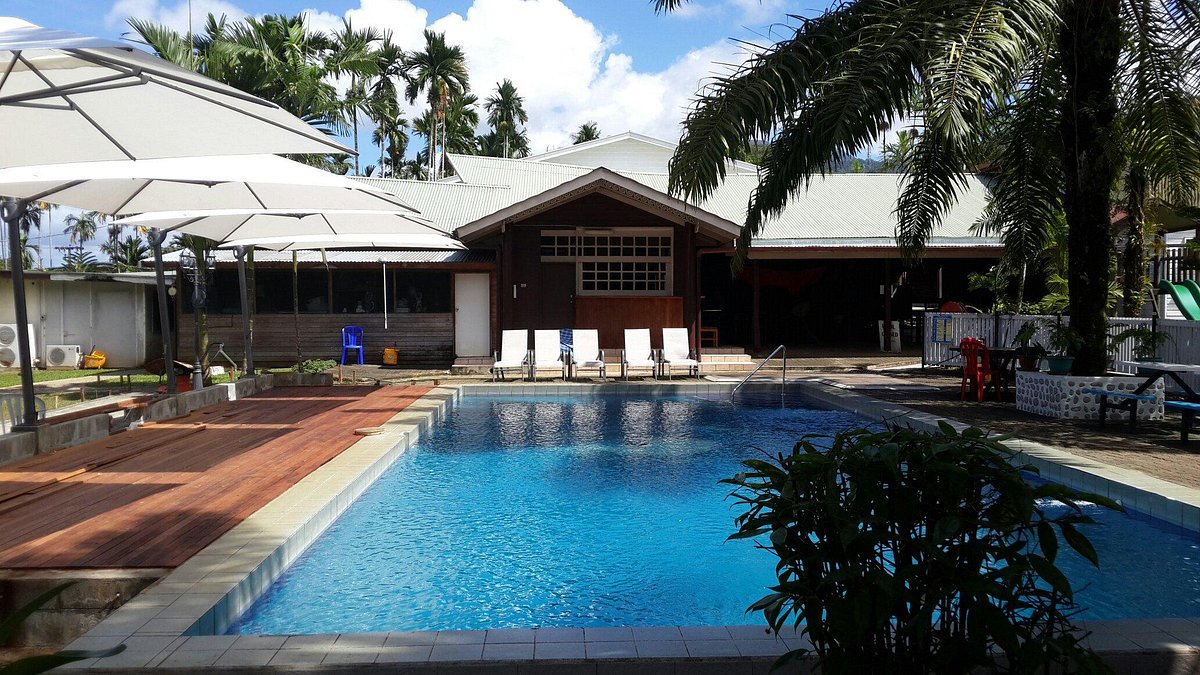
An established Alotau accommodation option for regional visits and business travel.
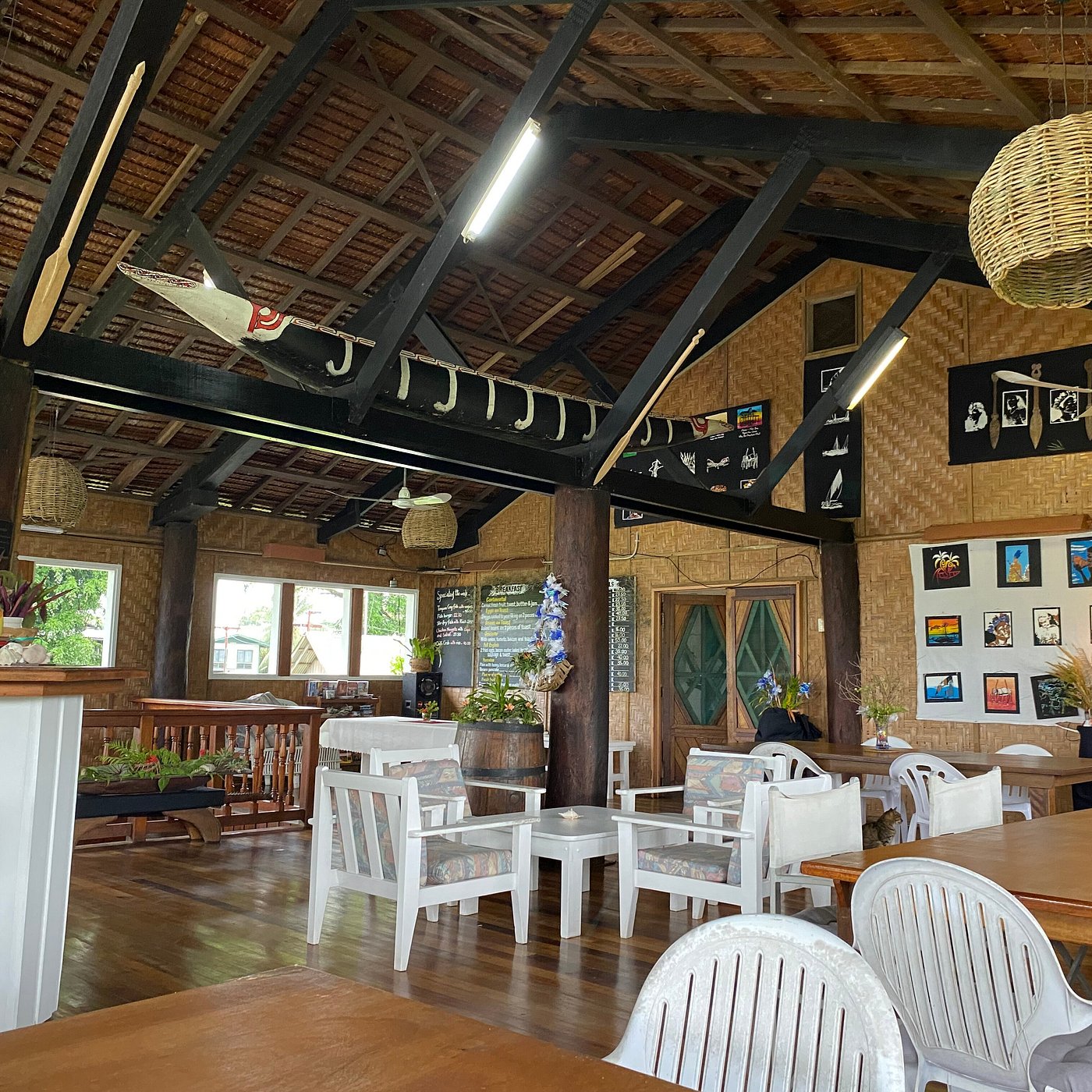
Traditional pole-house architecture and tropical gardens near the Alotau waterfront.
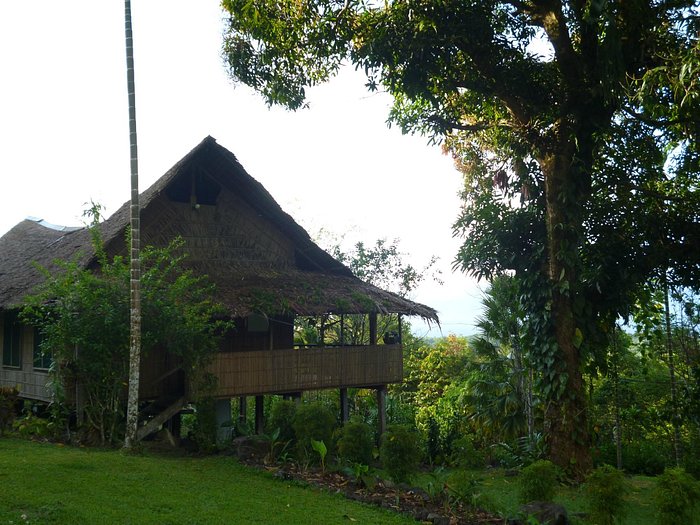
A rainforest lodge listed by PNG Tourism as owned and run by traditional landowners.
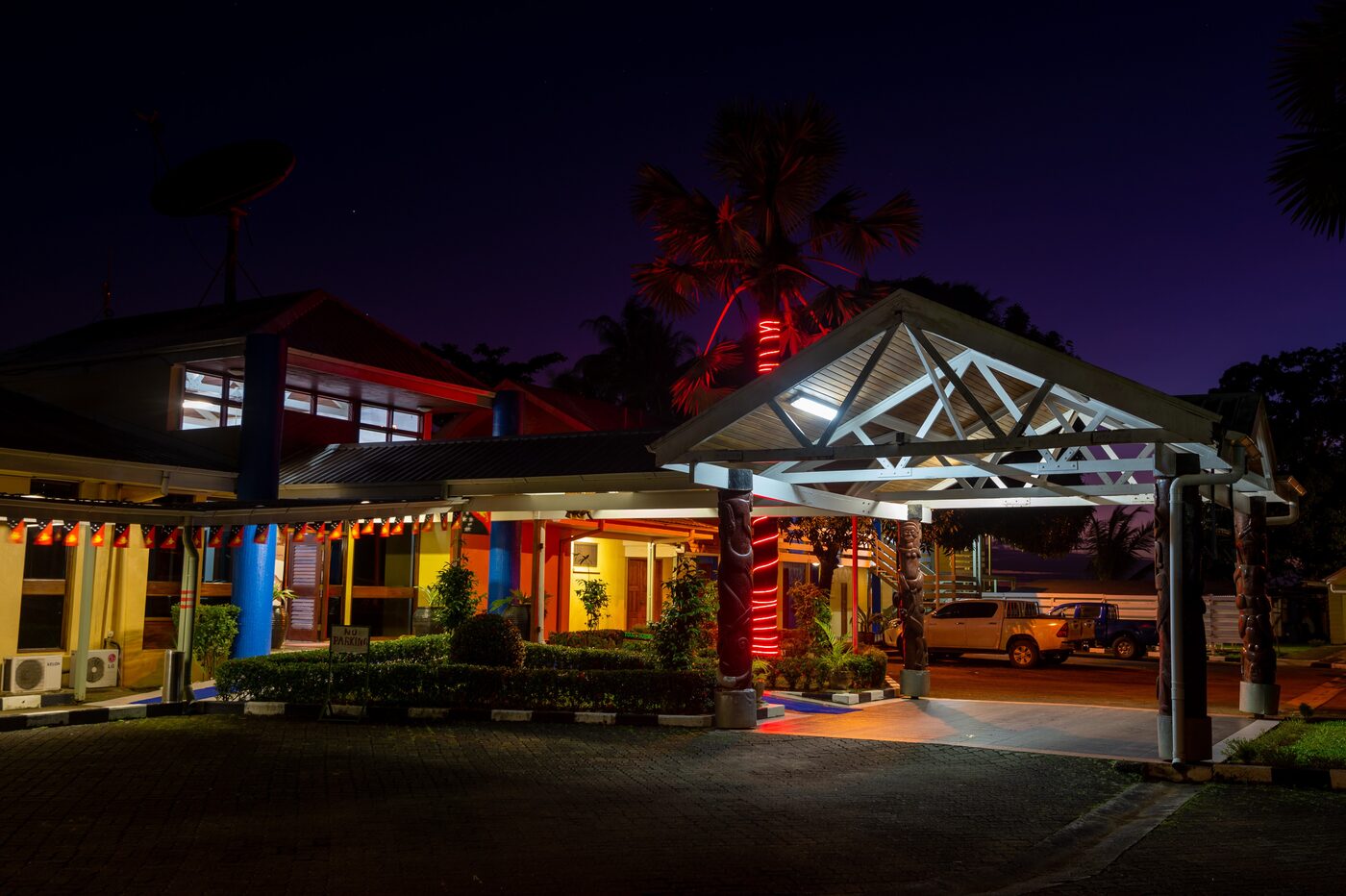
A waterfront hotel named in PNG Tourism’s guide to Alotau’s historical sites.
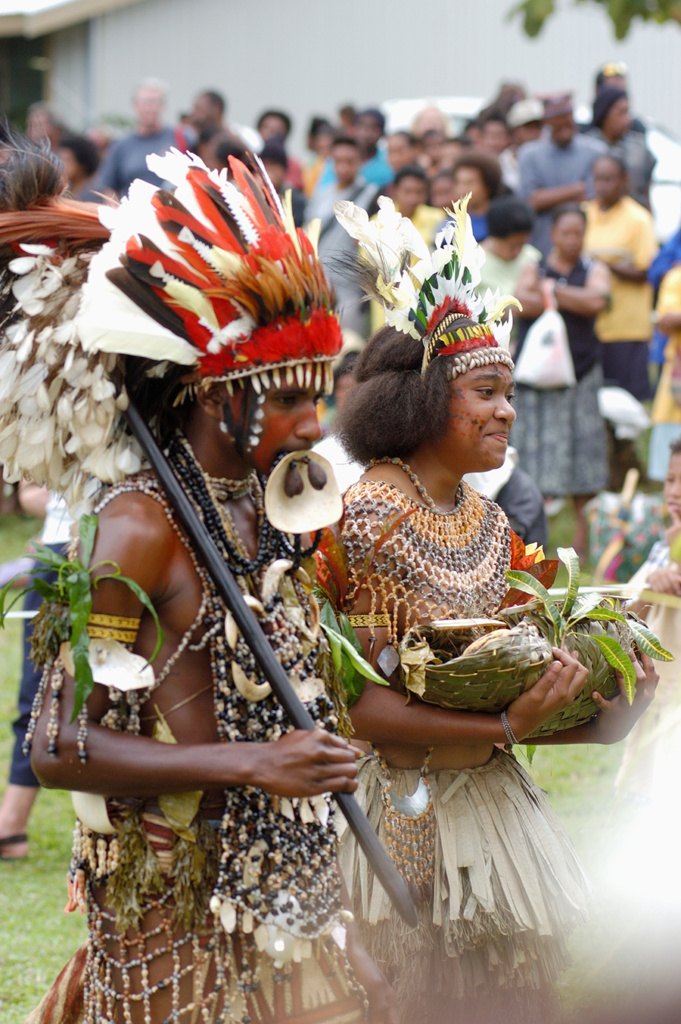
Canoes, drums and living maritime heritage. Officially listed for 6–8 November 2026.
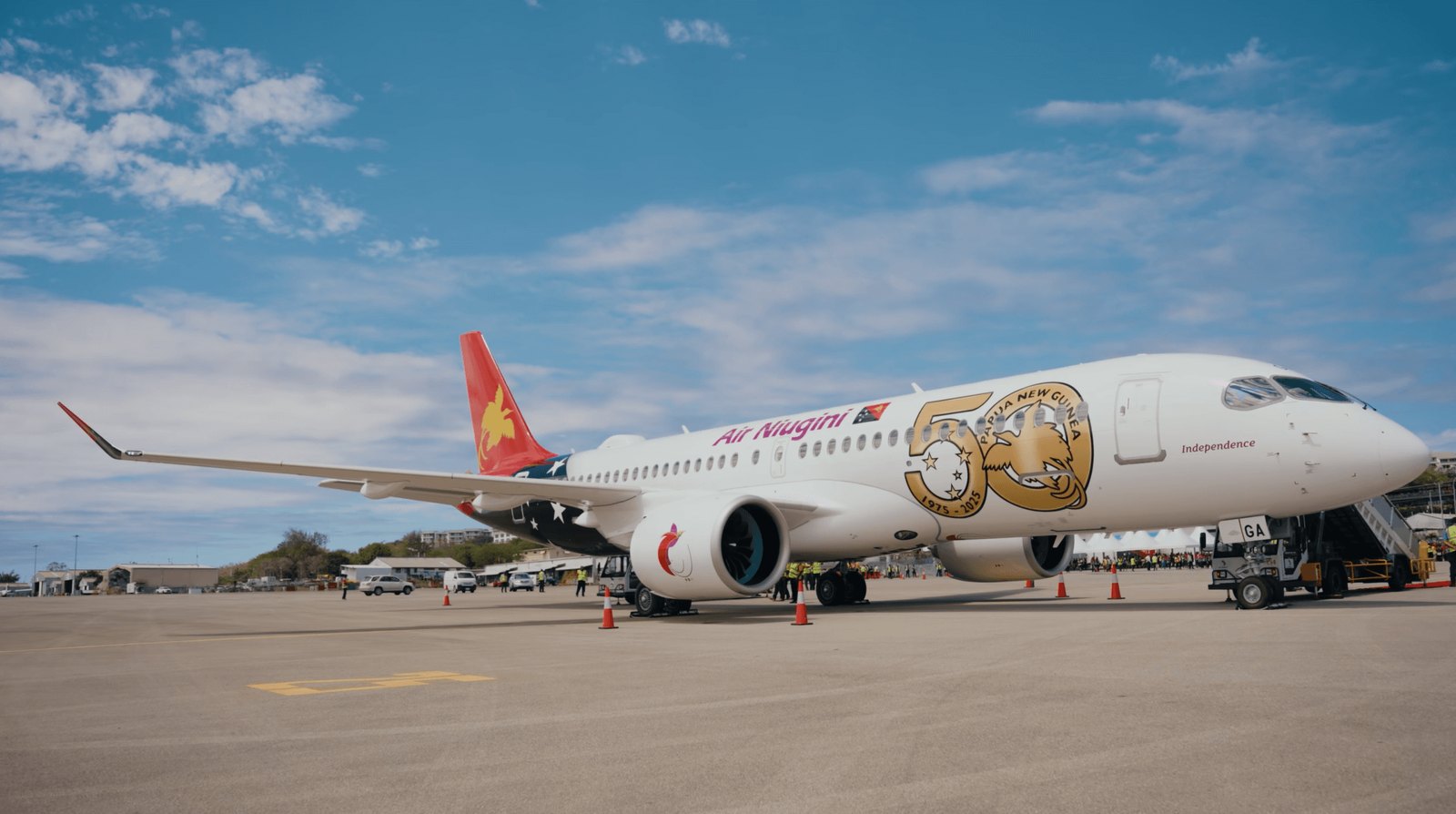
Find current Port Moresby–Alotau flight options for the province’s main gateway.
An opening collection, built to grow with the province. Reviewed 23 October 2026. Older records are labelled historical. Listings are researched, not operator-claimed or independently accredited. Confirm current operations and travel arrangements directly.
National Kenu & Kundu Festival · Alotau
6–8 November 2026 · Dates listed by PNG Tourism
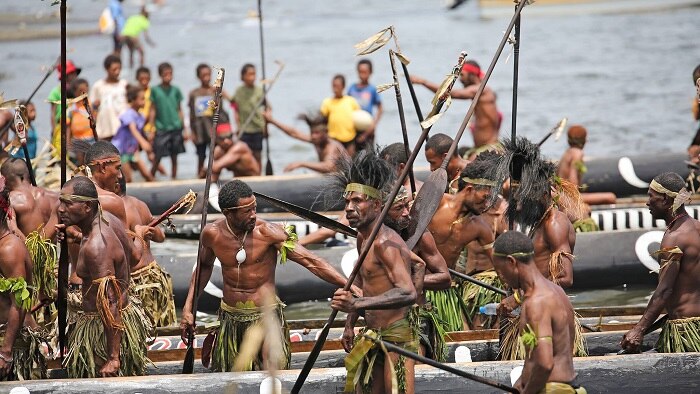
Explore the agricultural, horticultural and fisheries history of Milne Bay, from Agaun’s coffee country to island gardens and coastal communities.
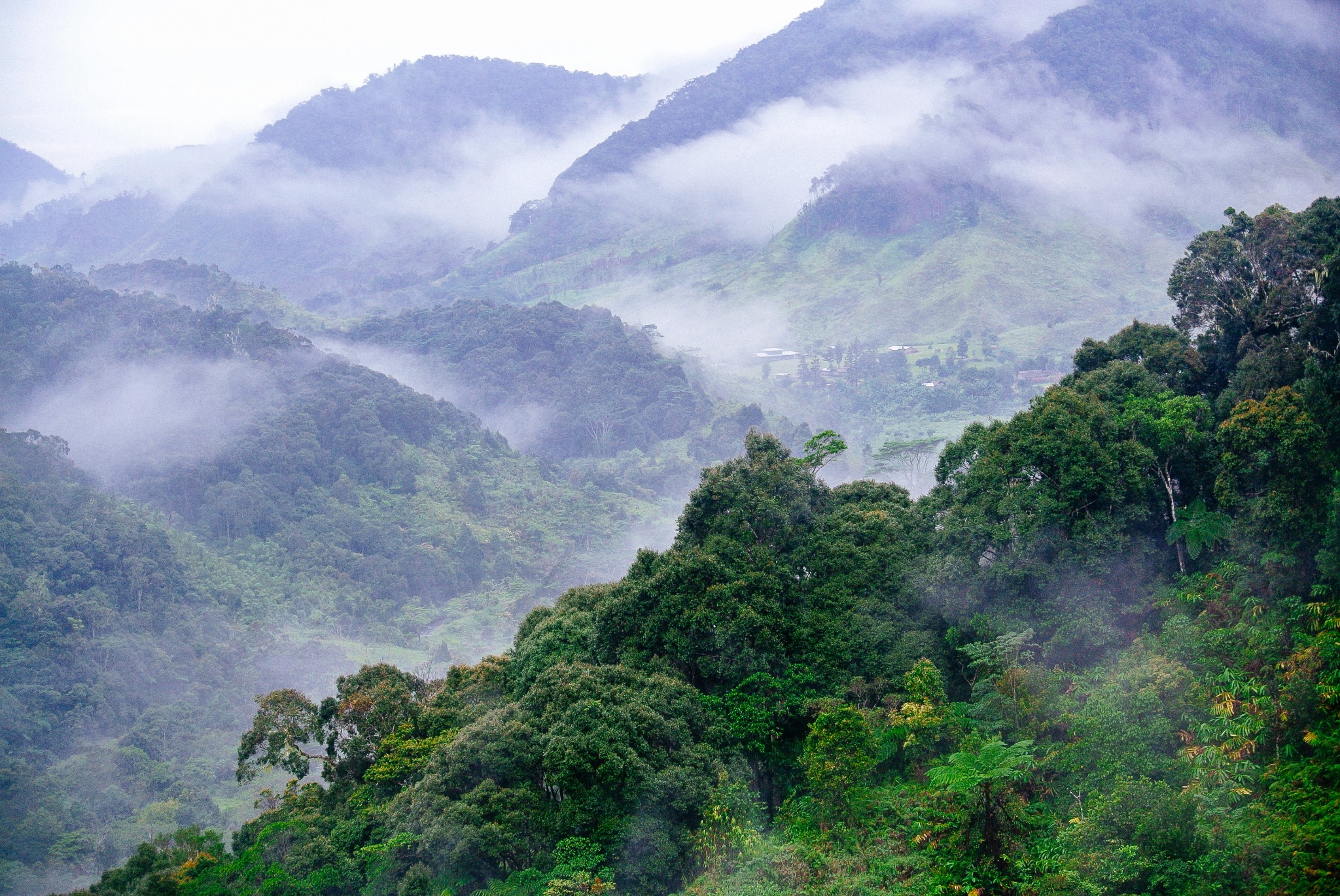
Meet another side of Milne Bay, where growers connect a mountain harvest with distant markets.
Explore the highlands
Coffee, cocoa, coconut, vanilla and spices, sustainable palm oil and fisheries — a living regional story.
Read the land & sea storyFour ways into the stories of Milne Bay.
Always leave room for local voices.
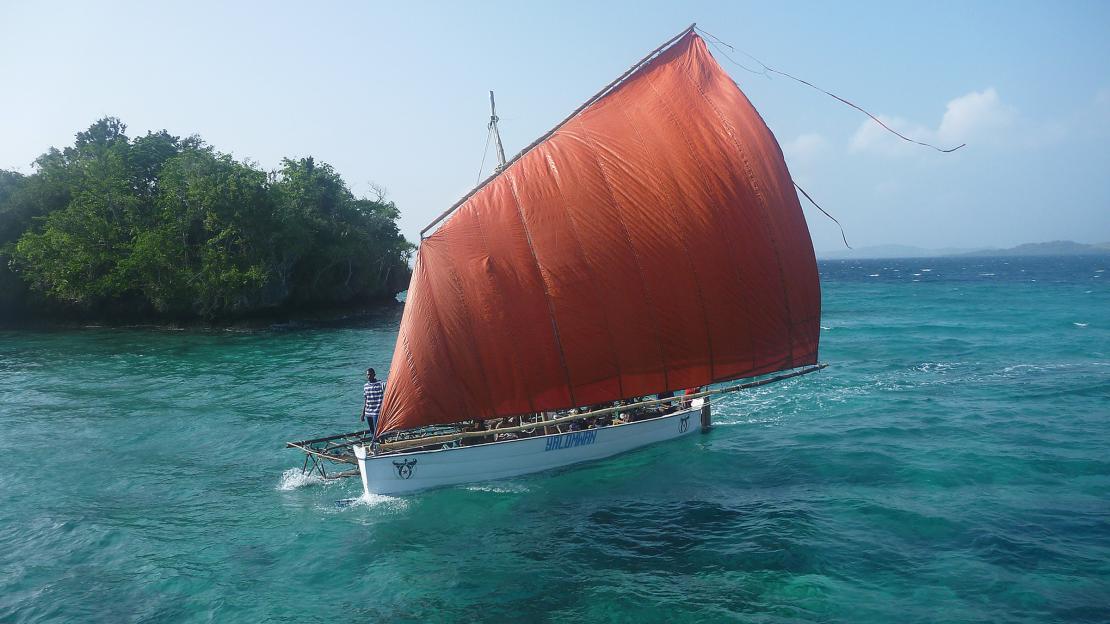
Across the Massim islands, Kula exchange carries relationships as well as valuables. Red shell-disc necklaces, known as soulava, circulate clockwise; white shell armlets, mwali, travel in the opposite direction. Their significance lies in histories, obligations and enduring partnerships.
Kula connects particular communities through histories and obligations. Local knowledge holders are the authorities on their own practices; an introductory guide cannot represent every customary relationship or contemporary voyage.
Read the Bowers Museum collection story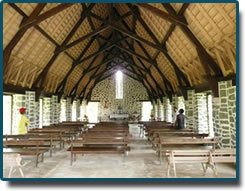
Samarai was once the region’s administrative and trading centre. Nearby Kwato became known for its mission, schooling and practical training, including boatbuilding. These histories sit alongside the deeper histories of the people whose islands they are.
Their legacy includes local enterprise and social change, as well as colonial encounters. Visit with a local guide who can connect the buildings and landscapes to the stories held by communities today.
Explore the history through ANU Press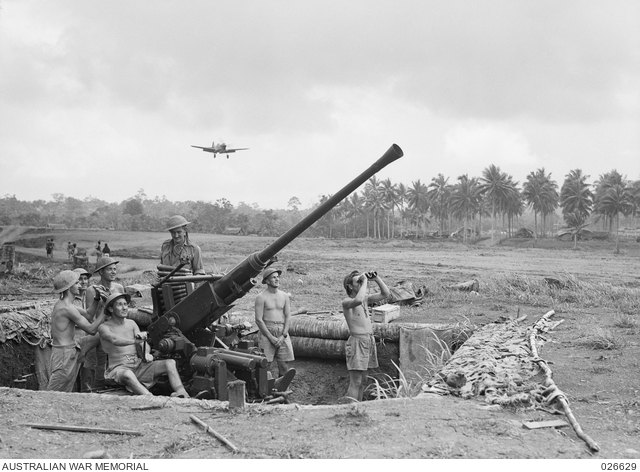
Between 25 August and 7 September 1942, Allied forces repelled a Japanese landing at Milne Bay. Australian infantry and air support were central to the defence. The fighting also brought profound disruption to the people who lived here.
The Australian War Memorial describes the battle as Japan’s first decisive defeat on land. In Alotau, the memorials and Massim Museum offer places to learn. Make room for Papuan experiences and local testimony alongside military histories.
Read the Australian War Memorial account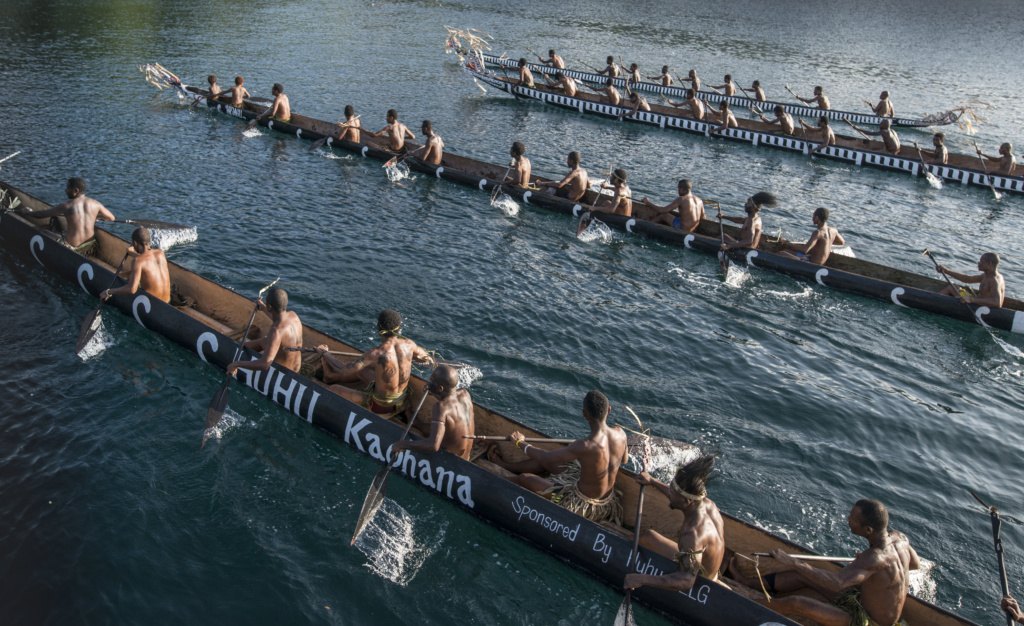
A canoe is transport, craftsmanship and community knowledge in one. At Alotau’s National Kenu & Kundu Festival, canoe crews, dancers, drummers and artisans bring maritime traditions into a shared public celebration.
Established in 2003, the festival supports the transmission of skills and cultural practice between generations. Ask before photographing people or ceremonies, and buy work directly from local makers where possible.
See the official festival listingA closer look at the history,
connections and journeys of this place.
Explore the region’s wartime role and documented earlier conflicts through museum records, dated photographs and archive films.
Explore war historyWatch the archive films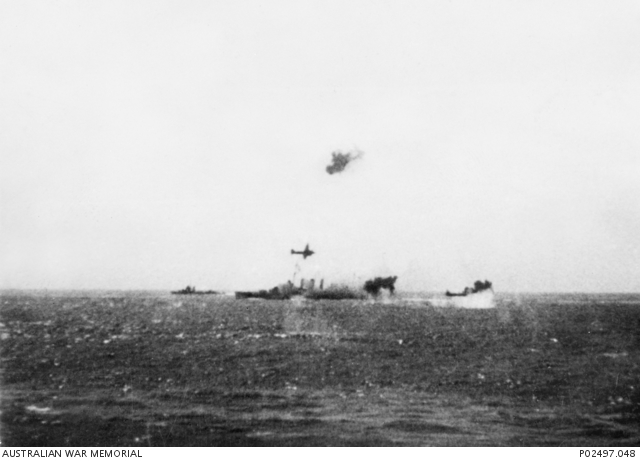
Brooker, Panaeati and the archaeology reshaping Pacific history.
The Massim islands of Milne Bay hold important evidence of human settlement, maritime contact and the spread of Lapita cultural practices. Excavations on Brooker and Panaeati have reshaped the picture of this region’s past. This is a local history with Pacific-wide significance, studied in partnership with the communities whose places and knowledge make the research possible.
A Lapita pottery fragment found on Brooker Island in 2017 led to further excavation in 2018 and 2019. Researchers recovered decorated ceramics, stone tools and evidence of obsidian working. Deeper, pre-pottery layers contained introduced animals and turtle-bone technology alongside Indigenous material.
The 2022 study in Nature Ecology & Evolution dates early evidence of Lapita-linked animals, turtle-bone technology and repeated obsidian imports to about 3,480–3,060 calibrated years before present. This contact preceded sustained pottery introductions by several centuries. The findings show that relationships with resident Papuan populations helped shape the movement of people into the wider Pacific.
Excavations at Kelebwanagum cave on Panaeati revealed a cultural sequence beginning about 17,300–16,800 calibrated years before present. Published in 2020, the research connects island habitation with changing coastlines and rising seas after the last glacial period.
The cave record includes periods without evidence of use. Its earliest date establishes great antiquity; it is not proof that this particular cave was occupied continuously. Milne Bay’s history extends far beyond the later appearance of Lapita pottery.
The Brooker publication includes researchers affiliated with ANU, the University of New South Wales, Monash University, the University of Papua New Guinea and PNG’s National Museum and Art Gallery, alongside other institutions. The Brooker and Panaeati Island communities are credited as collective co-authors.
ANU and UPNG jointly ran an archaeology and cultural heritage field school on Panaeati in 2022. In August 2026, NBC PNG reported further joint fieldwork in Milne Bay, including UPNG lecturer Vincent Kewibu, students and local community leadership. Research, training and the return of knowledge to communities are connected parts of this work.
Lapita is an archaeological term associated with a distinctive ceramic tradition and its makers. The name comes from a site in New Caledonia; toothed stamps created geometric patterns, sometimes including stylised faces. In Milne Bay, pottery is one strand of evidence alongside tools, animal remains, oral histories and environmental records.
These findings belong within Papua New Guinea’s human story of at least 50,000 years. The sources presented here establish a dated Milne Bay island sequence reaching back roughly 17,000 years and significant later Lapita contact. They do not establish 50,000 years of continuous occupation specifically within today’s provincial boundaries.
Island passages, local knowledge and the art of travelling well.
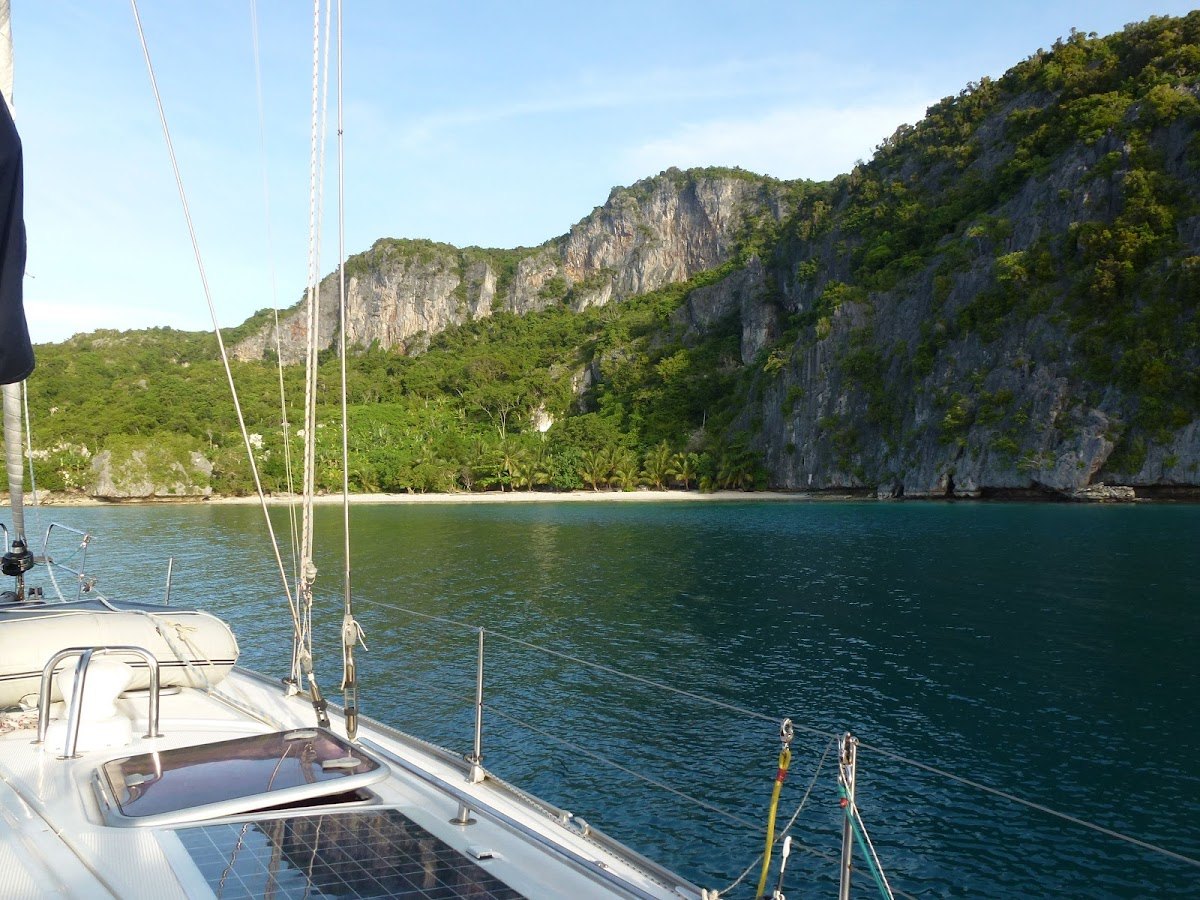
Across the Coral Sea from Far North Queensland, the Louisiade Archipelago offers an island escape within days of sailing for a suitably prepared cruising yacht. Historical rally accounts place the Cairns passage at roughly 500–520 nautical miles and describe crossings of around two to four days. The destination, boat, route and conditions determine the real passage time; this is an offshore voyage, not a scheduled crossing.
Earlier rally material describes specially arranged clearance. Those historic arrangements are not evidence of a current rally or permission to clear into a particular island today. Confirm your official entry port and all arrival procedures with PNG Customs.
Passage context · Lightwave Yachts’ historical Louisiades rally accountFor sailors imagining a longer journey between Asia and the Pacific, Milne Bay invites a different perspective: island cultures, reef encounters and locally hosted landfalls at the eastern end of Papua New Guinea. We present it as a destination to explore thoughtfully along a wider voyage, rather than a prescribed transit corridor. Each international leg needs its own weather window, entry permissions and passage plan.
Milne Bay is a broad cruising region, rather than one compact bay. Mainland coast, volcanic islands and reef-fringed archipelagos offer very different experiences. Decide whether your priority is sailing, diving, community visits or a longer island passage, then build the journey with a skipper or operator who knows the area.
For visitors without their own yacht, ask about a crewed charter, an operator-arranged boat journey or a locally hosted sailing experience. A dive liveaboard is another way to reach reefs, but it is a different product from a sailing charter. Confirm the actual vessel and itinerary.
A practical place to organise a host, transfers and supplies. Confirm fuel, water, repair support and payment arrangements in advance.
An island journey with trading-port and mission history. Access and land visits should be arranged with the relevant hosts.
Distinct island groups with their own communities and traditions. Give passages and shore visits enough time, rather than treating them as a fixed sightseeing circuit.
Include Misima and Bwagaoia in the conversation, alongside the Deboyne Islands and wider Louisiades. Confirm access, services and onward passage plans locally.
Make Misima a named stop in your Louisiade plans. Bwagaoia is the island’s harbour town, offering a place to connect with island life and organise your next stage. Ask locally about markets, provisions, guides and shoreside services; availability should be confirmed before relying on a resupply.
PNG Customs lists the Port of Misima (Bwagaoia) as a declared port of entry. Arrange your arrival in advance and confirm Customs, Immigration and quarantine attendance, facility access and any operational restrictions. Declared status does not mean officials or yacht services are continuously available.
Explore the Misima sailing stopBuild spare days into an island itinerary. Check the PNG National Weather Service’s coastal waters forecasts and warnings before departure and during the voyage. Discuss wind, swell, tides, visibility and reef entrances with your skipper; a monthly travel guide cannot establish whether a passage is safe today.
These are living waters used for fishing, transport and customary activity. Ask before landing, seek local guidance on anchoring and avoid damaging coral. Agree on any guiding or visit fees beforehand. Carry waste away and leave cultural objects and marine life where they belong.
Travel well. Connect locally.
Give island time the time it needs.
Air Niugini and PNG Air publish services between Port Moresby and Gurney Airport. Check current flight days and availability directly with the airlines. Pre-arrange your airport transfer with your lodge or host and confirm the meeting point and journey time.
Air Niugini: Port Moresby–AlotauPNG Air flight schedulesCarry kina (PGK) for village stays, markets and local transport. Confirm payment arrangements with your host before leaving town. Mobile coverage and internet can be limited in remote areas; download maps and essential contacts before travelling.
PNG Tourism: travel tipsPNG Tourism: planning adviceArrange island transfers with an experienced local operator. Before departure, confirm the weather, lifejackets, fuel, communications and return plan with your skipper. Allow for changes or delays when conditions are unsuitable.
PNG National Weather Service: coastal forecastsPNG Tourism: local guides and planningPack dry bags for electronics and ask about your operator’s weather contingency.
Check current coastal forecasts and warnings before each sea journey. Wind, swell, rain and visibility can change travel plans throughout the year. Follow local operational advice and leave room in your itinerary for weather delays.
PNG National Weather ServiceCoastal waters forecastsThe National Kenu & Kundu Festival is listed by PNG Tourism for 6–8 November 2026. Confirm the programme before booking.
A guesthouse, a guide, a maker, a marine service or a local enterprise.
Help the world find what you do in Milne Bay.
Free to submit. Every request is held for review.